Who Is the Right Dentist in East Orange, NJ for Adult Dental Crowns?
Nov 12, 2026
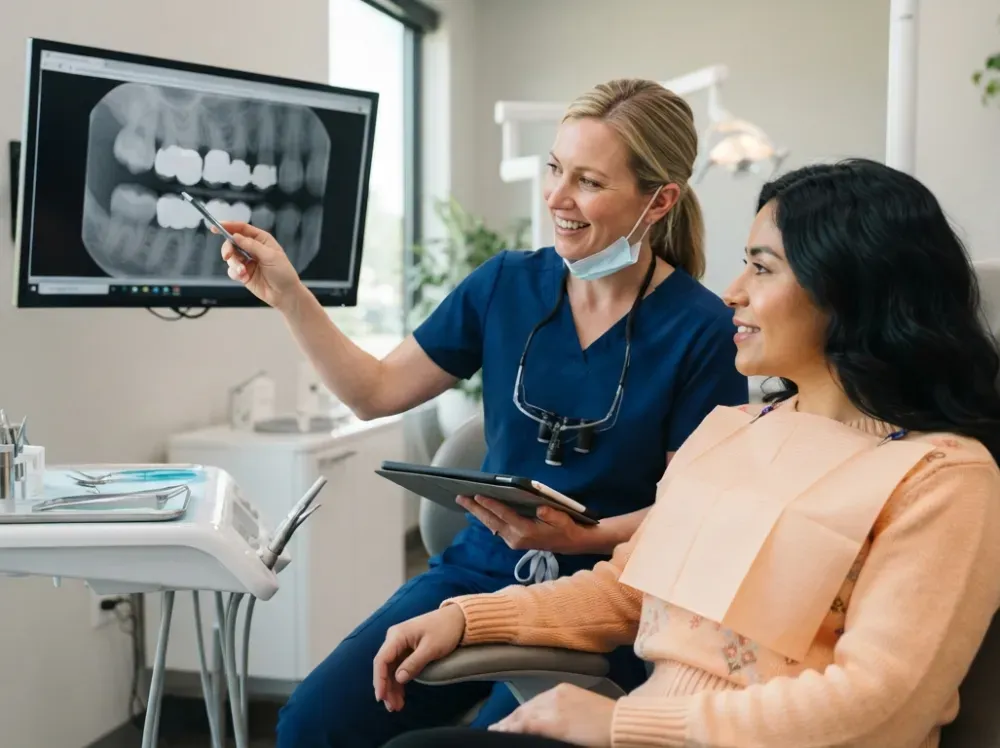
Quick Answer: The right dentist for an adult crown is one who examines the tooth, explains the material options, and lays out each step and cost before starting. Nova Dental in East Orange, NJ offers porcelain and ceramic crowns, along with gold and other metal options, and the dentist decides if a damaged tooth needs one.
Dinner was going fine until a back tooth gave a sudden crack. Or an old filling dropped out overnight, or deep decay made chewing on one side too painful to ignore. Eating gets harder, and the worry grows that the tooth could break further. After typing "adult dental crown near me" into the phone, the results are a pile of listings that all promise the same thing. A few clear criteria make the choice much easier, and knowing what a crown actually does removes most of the mystery.
Choosing a practice for a crown comes down to a few practical checks:
Nova Dental's crowns and bridges page describes porcelain or ceramic crowns chosen to resemble the natural tooth, with gold and other metals as common alternatives.
The best material depends on where the tooth sits and how much force it handles. Porcelain and ceramic crowns are shaded to blend with nearby teeth, so they are a popular pick for teeth that show when smiling. Metal crowns, including gold, are known for strength and are often considered for back teeth that take heavy chewing. Habits like grinding or clenching can also shape the decision, and the practice notes that crowns may be recommended for teeth worn by grinding. The dentist can explain why one material suits a specific tooth, and asking for that reasoning is a good test of any office.
A crown is one of several choices for a damaged tooth, so it helps to understand the trade-offs. Fillings repair small cavities, but the American Dental Association's overview of crowns lists a large filling with too little natural tooth left to hold it as a common reason for a crown instead. A crown covers the whole visible tooth, which helps protect it from splitting. Removing a tooth can seem simple, but a missing tooth often needs replacing later, and keeping the natural tooth when possible is usually preferred. The dentist weighs these options after an exam and X-rays, and a good team explains why one path is recommended over another.
A crown is made to fit one tooth, so the process takes care. Per the practice's page, the team takes an impression of the tooth, removes the damaged enamel, bonds the crown with dental cement, and then tests the bite to make sure it feels comfortable. A temporary cover may protect the tooth while the permanent crown is made. Ask how many visits to expect, since that depends on the tooth and the type of crown. Mild tenderness in the gum after treatment is common, and a bite that feels high or uneven deserves a call, because small adjustments are easy.
Sometimes a crown is not the whole story. A tooth with deep infection may need a root canal first, and a crown then protects the treated tooth. A missing tooth may call for a dental implant, which is later topped with a crown. Asking about the full plan, and not only the first step, keeps surprises to a minimum and makes budgeting easier.
Crowns can be a meaningful expense, so it helps to ask early. Nova Dental accepts most major dental insurance providers, and coverage for crowns varies by plan, so calling with the insurance details beforehand shows what may apply. For anything beyond insurance, the practice offers financing options, and the team can explain terms before treatment. A written treatment plan that lists each step makes it easier to compare offices.
A cracked tooth or a lost crown can turn painful quickly. Severe pain, a broken tooth, or a swollen gum deserves a prompt call, and emergency dentistry is part of what the practice provides. If there is swelling that is spreading across the face or neck, a fever with a swollen face, or any trouble breathing or swallowing, call 911 or go to the nearest emergency room first.
At Nova Dental, adults looking for a dentist in East Orange, NJ can expect an exam, a plain-language explanation of what the dentist finds, and a plan that covers the tooth, the material, and the steps involved. The East Orange office also serves nearby communities such as Orange and Montclair. Patients who feel nervous about dental work can say so up front, and the team will explain each step before it begins. Questions about timing, comfort, and costs are welcome from the first phone call.
Ready to have a tooth checked? Schedule today online, or call 973-604-1900 to ask about crowns, insurance, and a first visit.
1. How long does an adult dental crown last?
It varies with the material, the tooth, and daily habits. Good brushing, flossing, regular checkups, and avoiding hard items like ice help a crown last.
2. Is getting a dental crown painful?
A numbing injection keeps the tooth comfortable while it is shaped. Mild gum tenderness for a day or two afterward is common.
3. What is the difference between a crown and a bridge?
A crown covers one damaged tooth that still has its natural root. A bridge fills a gap from a missing tooth by anchoring a replacement tooth to crowns on the neighboring teeth.
4. Is a root canal needed before a crown?
Not always. If deep decay or a crack reaches the nerve, a root canal may be needed first, and the dentist decides after an exam and X-rays.
5. What should be done if a temporary crown comes loose?
Call the office promptly so it can be reseated. Avoid sticky or hard foods on that side until the tooth is protected again.