What to Expect at a Dental Cleaning | Nova Dental Newark, NJ
Oct 13, 2026
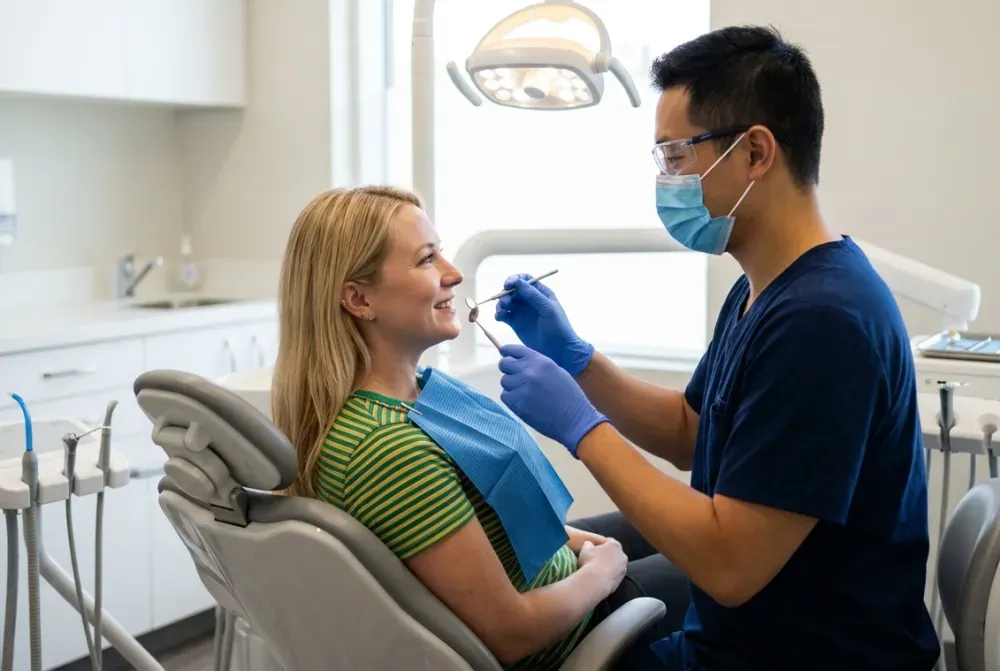
A routine dental cleaning usually takes 30 to 60 minutes. A hygienist checks your gums, removes plaque and hardened tartar, polishes your teeth, and flosses between them, and the dentist then examines your mouth for cavities or other concerns. Nova Dental in Newark, NJ provides gentle, thorough cleanings and checkups for patients of all ages.
Plenty of people put off cleaning because they’re not quite sure what happens once they’re in the chair, or because they remember a visit that felt rushed or uncomfortable. Knowing the steps ahead of time takes much of the uncertainty out of it. A cleaning is also one of the most useful appointments you can keep, since it catches small problems long before they turn into painful or expensive ones.
Brushing and flossing remove soft plaque every day, but they can’t remove everything. Plaque that’s missed along the gumline and between teeth hardens into tartar, a rough, crusty deposit that bacteria cling to. According to the National Institute of Dental and Craniofacial Research, only a professional cleaning by a dentist or dental hygienist can remove tartar once it forms.
Left in place, tartar irritates the gums and can lead to bleeding, puffiness, and eventually gum disease. Regular cleanings clear it away before it causes damage, and they give your dentist a chance to spot early decay, worn fillings, or changes in your gums while treatment is still simple.
Most routine cleanings follow the same basic order:
1. A quick health check-in: You’ll review any changes to your health, medications, or symptoms since your last visit, since some conditions and medications affect your gums and teeth.
2. A look at your gums and mouth: The hygienist checks your gums for redness, swelling, or bleeding and may measure the small spaces between your gums and teeth. Your mouth, tongue, and cheeks are also checked for anything unusual.
3. Plaque and tartar removal: Using small hand tools or an ultrasonic scaler that vibrates and rinses with water, the hygienist gently removes buildup above and just below the gumline. You may hear scraping or feel light pressure, which is normal.
4. Polishing: A gritty paste and a slow-spinning brush smooth the tooth surfaces and lift surface stains, leaving your teeth feeling clean and slick.
5. Flossing: The hygienist flosses between each tooth to clear away leftover paste and any remaining debris.
6. Fluoride, if recommended: Some patients get a quick fluoride varnish to help strengthen enamel, especially kids and adults prone to cavities.
7. X-rays, when they’re due: X-rays aren’t taken at every visit, but on a schedule your dentist sets, often once a year, to check for decay between teeth and below existing fillings.
8. The dentist’s exam. The dentist reviews your X-rays, checks your teeth and gums, and talks through anything that needs attention, such as a small cavity that may need a filling.
A regular cleaning is preventive. It’s meant for healthy or mildly irritated gums, and it focuses on the teeth above and just below the gumline.
A deep cleaning, also called scaling and root planing, is a treatment for gum disease. When gums have pulled away from the teeth and formed deeper pockets, tartar collects below the gumline where a regular cleaning can’t reach. A deep cleaning removes that buildup and smooths the root surfaces so the gums can reattach. It’s often done in two visits, with the area numbed for comfort. Some patients also benefit from at-home gum therapy between visits to keep bacteria under control.
If your gums bleed easily, look swollen, or you’ve noticed persistent bad breath, those can be signs that a deeper cleaning is needed.
For most people with healthy gums, a cleaning feels like pressure and scraping rather than pain. If your gums are inflamed or you have sensitive teeth, some spots may feel tender, especially near the gumline. That tenderness usually fades within a day.
At Nova Dental, the team adjusts the pace and technique if something feels uncomfortable, and options like numbing gel or painless treatment approaches are available for patients who get anxious or have sensitive areas. It helps to speak up during the visit. A quick hand signal to pause is all it takes.
For most adults and children, a cleaning every six months is the standard recommendation. That rhythm catches tartar before it builds up and gives the dentist a regular look at your teeth.
Some people need visits more often. If you have a history of gum disease, diabetes, a lot of crowns or fillings, or a tendency to build up tartar quickly, your dentist may suggest cleanings every three to four months. If it’s been a year or more since your last one, searching for a “dentist near me” and booking now is far easier than waiting until something hurts.
A little preparation makes the visit smoother. Bring an updated list of your medications, and mention any new health conditions or pregnancy. Note any spots that have felt sensitive, bled, or looked different, so the dentist can check them closely. Brush and floss as usual beforehand, and if you’ve been avoiding the dentist for a while, let the team know. They’ll take that into account and plan the visit accordingly.
A regular cleaning is one of the easiest ways to protect your teeth and gums for the long term. Schedule a consultation or call us at 973-604-1600. Our office on Bloomfield Avenue is an easy trip for families from North Newark, Belleville, and nearby Bloomfield.
1. How long does a dental cleaning take?
Most routine cleanings take about 30 to 60 minutes, including the dentist’s exam. A first visit or a cleaning with X-rays may take a little longer.
2. Does dental cleaning hurt?
It usually doesn’t. Most people feel pressure and scraping. Inflamed gums or sensitive teeth can make some spots tender, and the team can slow down or use numbing gel if needed.
3. Why do my gums bleed during a cleaning?
Bleeding usually means the gums are inflamed from plaque or tartar buildup. Regular cleanings and daily flossing typically reduce bleeding within a few weeks.
4. Is a deep cleaning the same as a regular cleaning?
No. A deep cleaning treats gum disease by removing tartar from below the gumline and smoothing the roots. A regular cleaning is preventive and focuses on healthier gums.
5. Can I eat right after a dental cleaning?
Yes, in most cases. If you had a fluoride treatment, your hygienist may ask you to wait about 30 minutes before eating or drinking so it can work fully.