How Soon Can a Tooth Be Extracted in Bloomfield, NJ?
Nov 25, 2026
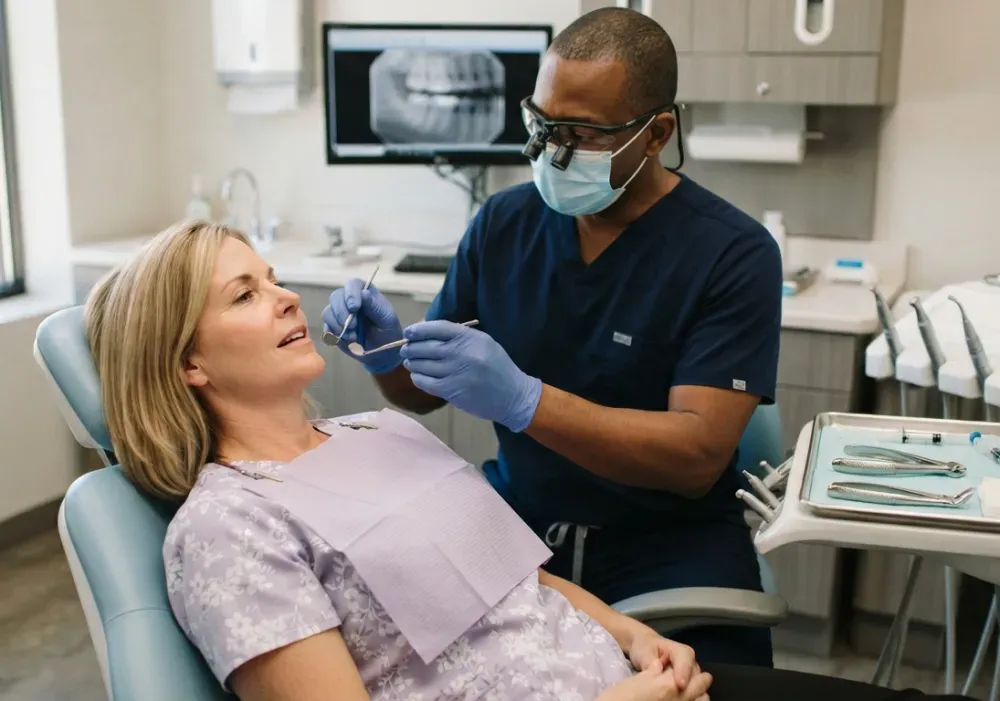
Quick Answer: Same-day extraction depends on the tooth, the problem, and the office schedule, so a quick call gives the clearest answer. Nova Dental's Bloomfield Avenue team lists same-day dentistry as a service and can explain, after hearing the details, what is possible for a specific tooth and when to come in.
The tooth has been throbbing since Sunday. By Tuesday the pain wakes up a whole night, the gum looks puffy, and the dentist who once said "that one may have to go" suddenly sounds right. Now the only question is how fast it can be handled, so "tooth extraction near me" goes into the search bar with "same day" tacked on the end. Wanting relief quickly is completely reasonable. The honest answer is that timing depends on a few things, and knowing them makes the first phone call much more productive.
Some extractions are straightforward, and others need planning. Nova Dental's site lists same-day dentistry as a service and gives fillings and crowns as examples of treatments that can often be completed in one visit. It does not say that extractions are always available the same day, and no office can promise that for every tooth. What happens depends on the schedule, the health of the tooth, and what an exam and X-ray show. Calling the Bloomfield Avenue office, describing the problem, and asking what is possible is the quickest route to a real answer.
Extraction is usually a last resort, used when a tooth cannot be saved. Nova Dental's tooth extraction page lists decay, gum disease, impaction, overcrowding, and dental trauma among the reasons. It also notes that extraction may be the best option when a tooth cannot be repaired with a filling or crown. A dentist usually checks other options first, such as a root canal, because keeping a natural tooth is generally preferred. The exam and X-rays show which path makes sense, and a good team explains the reasoning plainly.
Extractions come in two types. A simple extraction removes a tooth that is easy to see and reach. A surgical extraction is needed when the tooth is broken below the gumline, impacted, or otherwise hard to reach, and it often involves a small incision to get to the tooth. Surgical cases tend to need more planning, which can affect timing. The dentist decides which type fits after the exam, so asking about it during the first call helps set expectations.
A short list makes the call quick and useful:
Explaining when the pain started, if there is swelling, and any medical conditions helps the team decide how urgent the situation is.
A visit usually begins with an exam and an X-ray, so the dentist can see the root and the bone around it. The area is numbed before the tooth is removed, and the dentist explains each step first. Patients who feel nervous can say so, since a calm pace makes a big difference. After the tooth is out, written aftercare instructions explain how to protect the area while it heals. The office's instructions always come first, because they are matched to the individual case.
Healing goes best when the first day is quiet. The University of Maryland Medical System's patient guide to caring for the mouth after extraction describes the basics: firm pressure on gauze to control bleeding, soft foods, no straws or smoking for the first 24 hours, and a prompt call if pain gets worse the next day. Rest helps, and strenuous exercise can restart bleeding. Severe or growing pain a few days afterward can be a sign that the healing clot was lost, and the office can check it.
A gap does not always stay stable. Neighboring teeth can drift, and the bone can shrink over time. The dentist can talk through replacement options, and Nova Dental's dental implants page describes implants as prosthetics that replace missing teeth and can support crowns, bridges, or implant-retained overdentures. The right choice depends on the tooth, the bone, and personal goals and budget, and there is no need to decide at the extraction visit.
Cost questions are easiest to settle before the visit. Nova Dental accepts most major dental insurance providers, and coverage for extractions varies by plan, so having the insurance card on hand when calling helps. For costs beyond insurance, the practice offers financing options, and the team can explain terms before treatment. Asking for a written plan that lists each step avoids surprises.
Some tooth problems should not wait for any schedule. Severe pain, a swollen gum, or a broken tooth deserves a prompt call, and emergency dentistry is part of what the practice provides. If there is swelling that is spreading across the face or neck, a fever with a swollen face, or any trouble breathing or swallowing, call 911 or go to the nearest emergency room first.
At Nova Dental, patients looking for a dentist in Bloomfield, NJ can reach the Bloomfield Avenue office, describe what is happening, and get guidance on the next step. The team examines the tooth, explains the options in plain language, and discusses comfort and cost before treatment. The office also serves nearby communities such as Belleville, North Newark, and Montclair. Questions about timing, healing, and replacement are welcome at any point.
Dealing with a painful tooth? Request an appointment online, or call 973-604-1600 to ask what is possible and when to come in.
1. Can a tooth extraction be done the same day?
It depends on the tooth, the schedule, and what the exam shows. Call the office to ask what is possible for the specific problem.
2. Does a tooth extraction hurt?
The area is numbed during the procedure, and some soreness afterward is common. The dentist explains how to manage it.
3. How long does it take to heal after an extraction?
Initial healing often takes a few days, and complete healing can take longer depending on the tooth. Written aftercare instructions guide the process.
4. What if the pain gets worse after the extraction?
Call the office promptly. Pain that increases a few days later can be a sign the healing clot was lost, and the team can check the area.
5. Does insurance cover tooth extractions?
Coverage varies by plan. The practice accepts most major dental insurance providers, so call with plan details to learn how benefits may apply.